


Testing checks whether safety measures exist and are configured — “is the firewall rule in place? ” Validation proves whether or not these measures really work against actual assaults — “can an attacker bypass the firewall rule? ” Testing is a necessary first step; validation confirms that passing checks https://technologytronicspro.com/protecting-data-key-encryption.html translates to real-world protection. Many organizations discover that controls which cross configuration testing fail when actual exploitation is tried.
Network Penetration Testing
It helps answer whether or not a control is merely assigned, or whether or not it still performs the safety operate the organisation depends on. That distinction matters for threat acceptance, change management, and assurance reporting. Implementing a strong security control validation program requires coordinated planning, technical integration, and organizational alignment throughout a number of stakeholders. By following greatest practices, organizations can maximize the worth and operational impact of validation efforts. Safety management validation is applied across a spectrum of enterprise cybersecurity eventualities, every delivering strategic and operational value to giant organizations.
Value For Every Team
Organizations assume defenses are effective based mostly on deployment or dashboards somewhat than validated performance under real assault conditions. Security controls are deployed but improperly configured, allowing common attacker strategies to succeed undetected or unblocked. Safety validation determines whether or not these weaknesses are exploitable and whether defenses can successfully detect or stop an attack that tries to make use of them. Safety validation and penetration testing are closely related but serve totally different purposes. Penetration testing remains a important component of security validation quite than a competing method.
- That’s why continuous safety controls validation is turning into important.
- ” Validation proves whether or not these measures truly work in opposition to actual assaults — “can an attacker bypass the firewall rule?
- Security management validation is the follow of testing whether or not preventive, detective, and response controls actually work beneath practical attack situations.
- The more durable problem is deciding which exposures can be utilized by an attacker, which controls would interrupt the assault and which fixes should be prioritized first.
- In a live demo, watch Picus validate an actual exposure finish to end, from exploit to repair to re-test.
When evaluating safety validation solutions, organizations ought to concentrate on five standards. Floor cloud misconfigurations, over-permissive IAM, and container risks, then validate whether they’re really exploitable in your environment. Take A Look At your controls towards 1000’s of real-world threats and get a transparent, per-technique verdict as an alternative of a hopeful assumption. You transfer from “the EDR should catch this” to a measured outcome you probably can act on the identical day. Let’s evaluate some popular use instances to discover how AEM works and why it’s a game-changer for your security operations.
A 20+ person Picus Purple Team hand-builds novel assault vectors beneath a 24-hour SLA for important threats, so you validate in opposition to this morning’s menace, not final quarter’s. It is possible to customize the campaign or schedule the assessment periodically, to test safety measure applied on network, endpoint and email. Map inside and external belongings and the exposures they carry, so you see what attackers can reach before they do. Probe the AI methods and LLM-powered apps you now run for immediate injection, data leakage, and abuse, validating the controls meant to include them.
> Continuous Compliance & Adversarial Exposure Validation

Safety control validation is handiest when performed repeatedly. Steady validation ensures that prevention, detection, and response controls don’t silently degrade because of configuration drift, device updates, environmental modifications, or evolving attacker methods. OnDefend allows steady safety management validation by way of expert-led purple teaming combined with automation powered by BlindSPOT, making ongoing validation scalable and cost-effective. Continuous security controls validation is the continuing process of testing, validating, and enhancing your organization’s safety controls throughout the complete assault surface. The harder drawback is deciding which exposures can be utilized by an attacker, which controls would interrupt the assault and which fixes should be prioritized first.
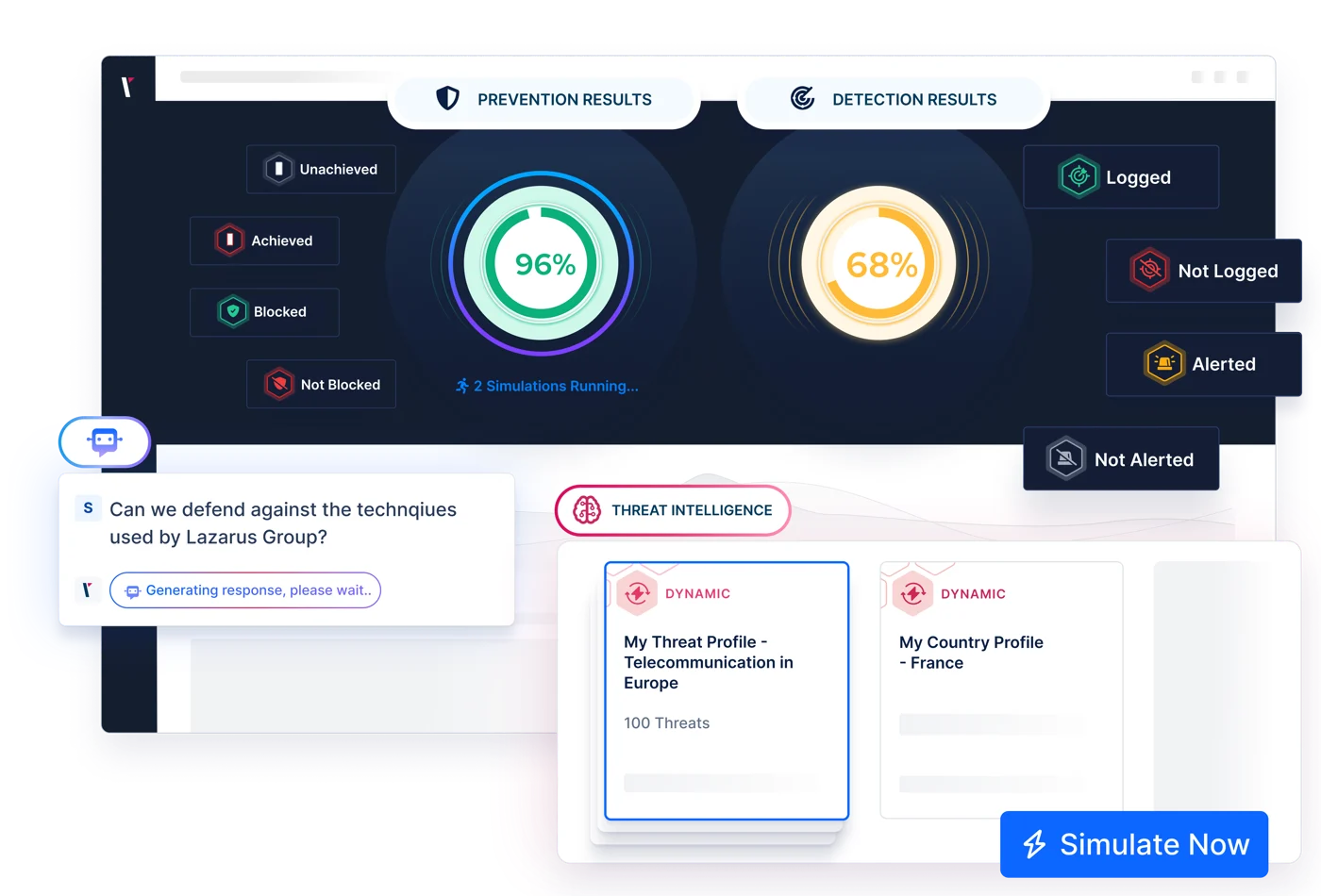
OnDefend validates your organization’s ability to stop, detect, and reply to real-world cyber assaults. Via controlled emulation of contemporary threat actor tactics, we expose weaknesses throughout your safety stack, measure the effectiveness of your defenses, and empower your groups with where to start. Safety Control Validation is the testing of security controls to verify they work as supposed, so teams can tackle gaps and get the most effective safety and value from their investments.
Email Security Validation
Security Control Validation from OnDefend is designed to deliver realistic testing, significant perception, and actionable outcomes. Management effectiveness degrades as configurations change as a outcome of updates, operational modifications, or third-party modifications. Validato supplies an unbiased evaluation of an organisation’s capacity to defend against adversary behaviours related to recognized threats, as described in the MITRE ATT&CK knowledge base.